Hospital Management Software: A Smarter Way to Simplify Healthcare Operations
In today’s world, the pressure on healthcare institutions is immense as they are expected to offer quality health services while taking care of increasing administrative workload. Right from registration to scheduling appointments, from billing to documenting medical history everything needs to be done accurately, efficiently, and securely. Digitization of healthcare services has become crucial for all hospitals and clinics trying to achieve efficiency and minimize paperwork.
Whether you are operating a clinic, diagnostic center, or a multispecialty hospital, you can benefit a lot from investing in new healthcare technology.
What Is Hospital Management Software?
Hospital management software refers to the comprehensive digital system that automates and facilitates the operation of healthcare facilities. Hospitals do not have to use different systems or paper work anymore since everything can be done in one place.
Why It Is Important
Effective hospital management is important for both patients and the performance of the facility as a whole. Digital tools allow the healthcare provider to cut down the number of routine actions while having all necessary information about patients.
In today's competitive healthcare environment, Hospital Management Software enables organizations to automate workflows, reduce human errors, improve billing accuracy, and enhance overall productivity. By connecting every department through one secure platform, healthcare providers can focus more on patient care and less on administrative work.
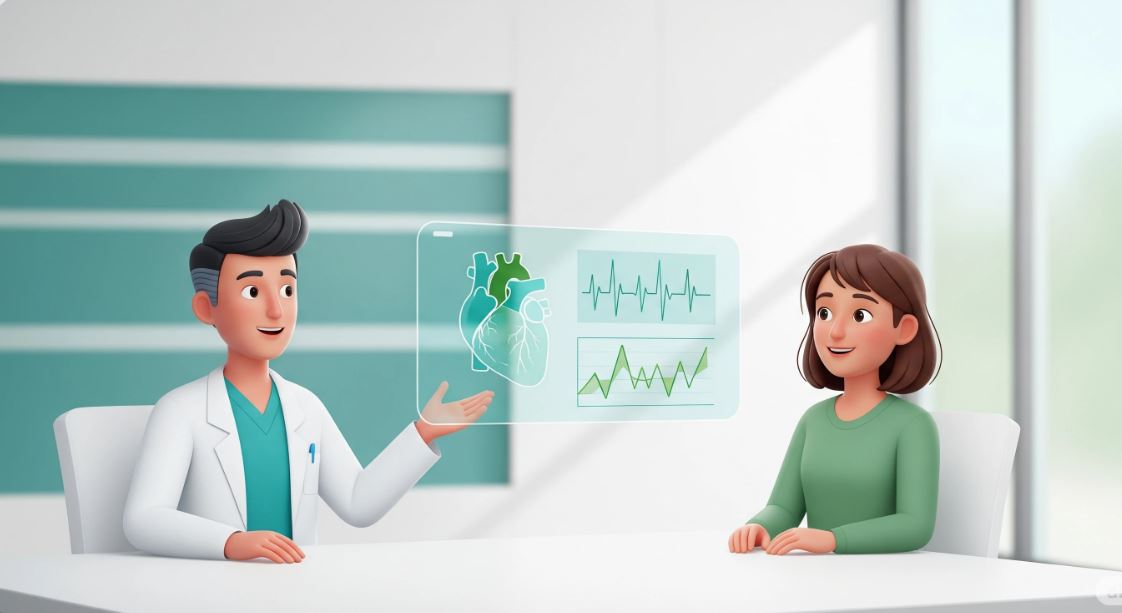
Hospital Management Software
Benefits
Implementing a digital hospital management solution offers several advantages.
Improved Operational Efficiency
Automating repetitive tasks reduces manual paperwork and allows staff to focus on patient care.
Better Patient Experience
Patients benefit from faster registration, shorter waiting times, digital appointments, and accurate medical records.
Enhanced Financial Management
Integrated billing and insurance modules reduce claim errors while improving revenue management.
Stronger Data Security
Encrypted databases and controlled user access protect confidential patient information.
Smarter Decision-Making
Real-time reports and dashboards help administrators monitor hospital performance and make informed business decisions.
What Is Healthcare EMR Software?
Healthcare EMR (Electronic Medical Records) software is a digital system that securely stores patient medical information in one centralized location. Instead of maintaining paper records, healthcare professionals can instantly access patient histories, diagnoses, prescriptions, allergies, laboratory reports, and treatment plans.
Electronic medical records improve continuity of care by ensuring that authorized healthcare providers always have accurate and up-to-date patient information.
Why It Matters
Quick access to complete medical records helps physicians make faster and more informed treatment decisions. Digital records also reduce documentation errors, eliminate duplicate testing, and improve communication between healthcare teams.
As healthcare facilities continue their digital transformation, Healthcare EMR Software has become an essential tool for improving clinical efficiency, enhancing patient safety, and maintaining compliance with healthcare regulations.
Benefits
Healthcare EMR software provides measurable improvements across clinical operations.
- Faster patient record retrieval
- Better clinical decision-making
- Reduced paperwork
- Improved patient safety
- Enhanced collaboration among healthcare professionals
- Increased operational efficiency
- Secure long-term medical record storage
- Better compliance with healthcare standards
Who Should Use It?
Healthcare EMR software is suitable for:
- General practitioners
- Specialists
- Multi-specialty clinics
- Hospitals
- Diagnostic laboratories
- Nursing homes
- Telemedicine providers
- Healthcare networks
Whether managing a single practice or a large healthcare organization, EMR software simplifies documentation while improving the quality of care.
Conclusion
Digital transformation is reshaping the healthcare industry, making technology an essential part of efficient patient care and hospital administration. Solutions like Hospital Management Software help streamline operational workflows, while Healthcare EMR Software enables healthcare professionals to maintain secure, accurate, and easily accessible patient records.